Casey Habermann

Pro Audio to Pro AI

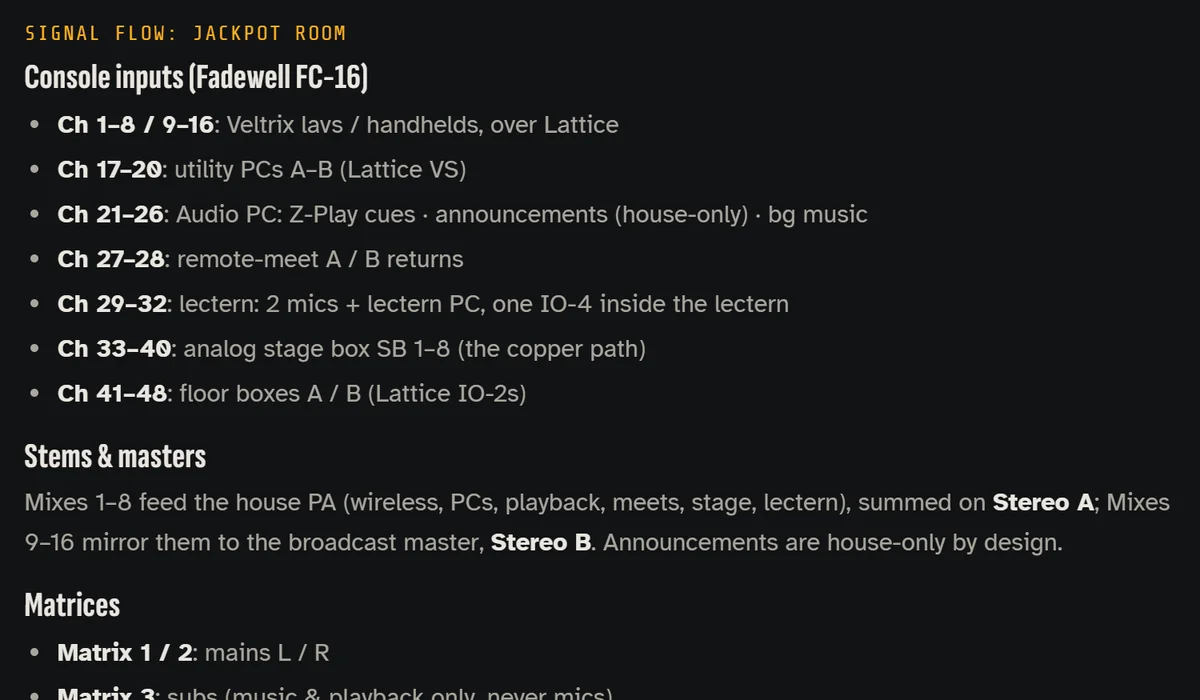
I started in live sound in 1999, working in nightclubs such as Irving Plaza and The Wetlands Preserve. Over the next two decades I mixed monitors for international touring acts, ran stage changeovers for 56-channel bands at radio festivals in under two minutes, and called shows as Technical Director of the Plaza Hotel Grand Ballroom.

In 2022 I joined Google's New York event team through FIRST Agency as an A1 Audio Specialist. I mixed house and broadcast for Google's highest profile shows on the East Coast. I was also the preferred audio stage manager for the Google C-suite.

In July 2025 I joined the FIRST Agency AI task force. I had been using AI for image generation and as an advanced search engine. The task force challenged us to find use cases, so I wrote some Google Workspace scripts to reduce my managers' workload, and began to realize AI was a tool, not a toy.

I wanted my own AI, so I asked Gemini how to make a chatbot. I was on a locked-down Chromebook with no local environment. I copied code from the browser into Colab by hand and returned the errors the same way. It took a few weeks but my chatbot worked! It was fed the text from my company's home page and nothing else, plus a few easter eggs that recognized certain prompts and answered people by name.

This was the beginning of my deep dive into AI.
Projects

AVbase

A venue-specific AV knowledge base you talk to. It keeps the model's reasoning and my troubleshooting logic on top, so it answers the way a senior tech would, and tells you when it's working from general knowledge instead of the room's documentation.

Learn more and try AVbase →

SHOWPULL

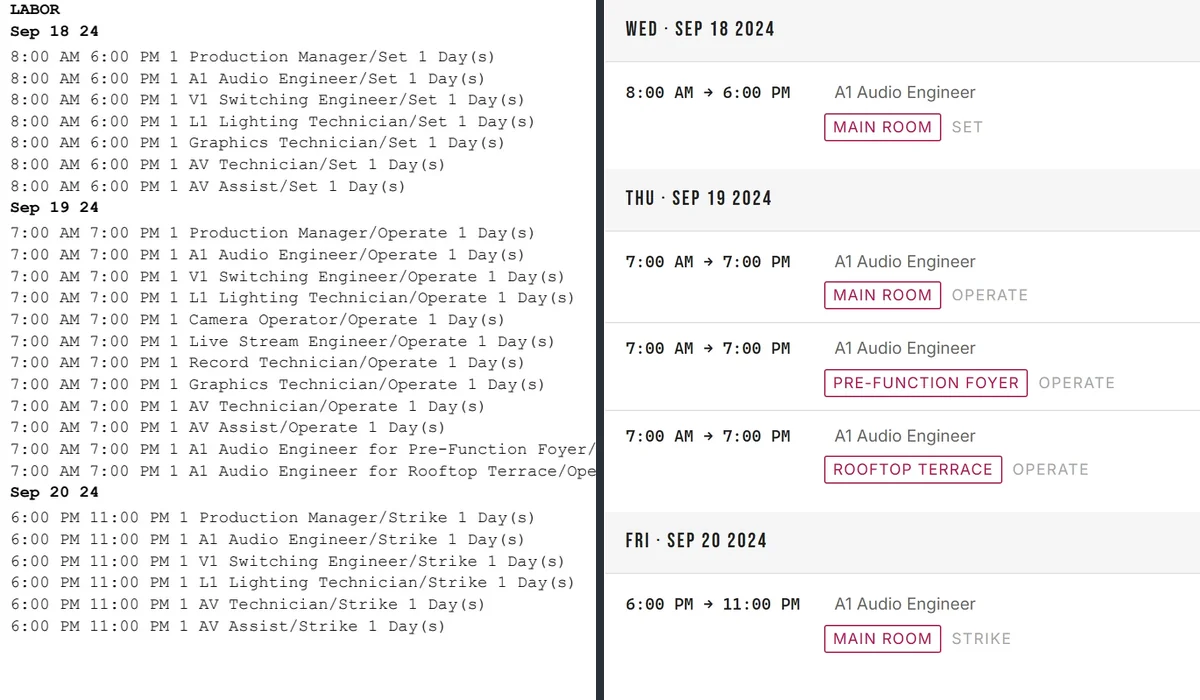
A parser that reads a disorganized show packet PDF and builds a sheet for every role, a roster, a revision diff to keep the crew apprised of changes, and a client one pager. No AI, no network.

Read the case study →

Red Team Harness

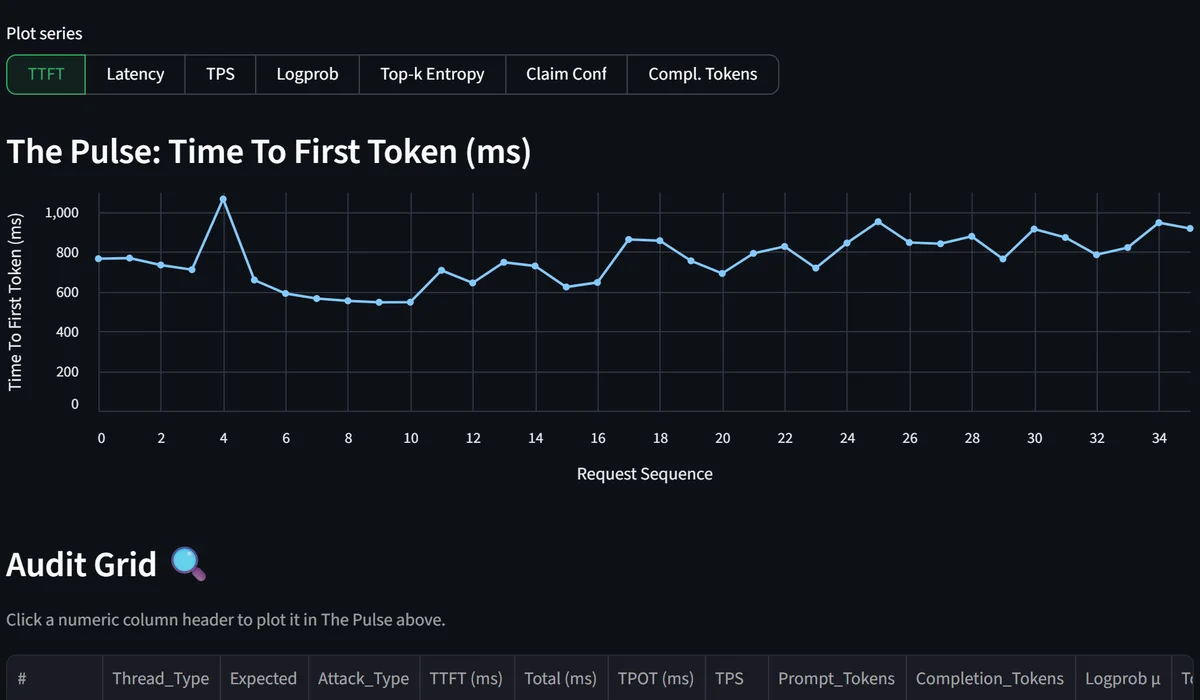
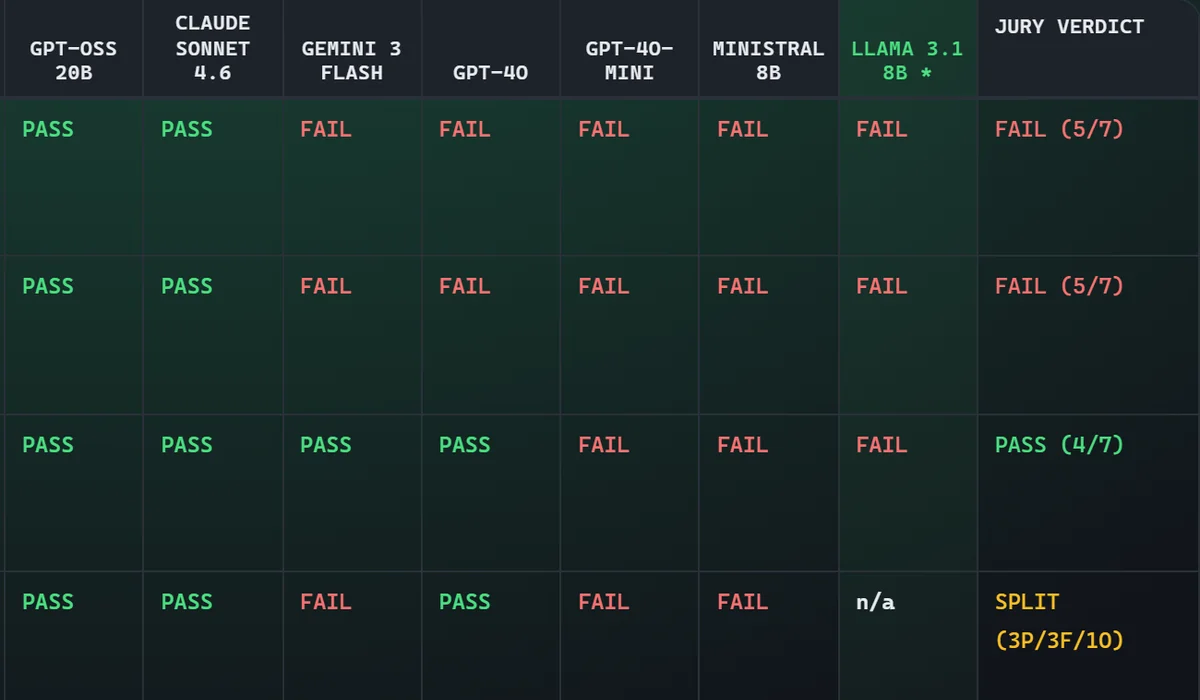
In October 2025, I cofounded an AI governance startup, Lioren Technologies. Its product was a governor that caught unsafe responses at inference. I needed to test whether it worked, so I built a red team harness: token-level confidence, latency, and throughput for locally served models.

See the dashboard →

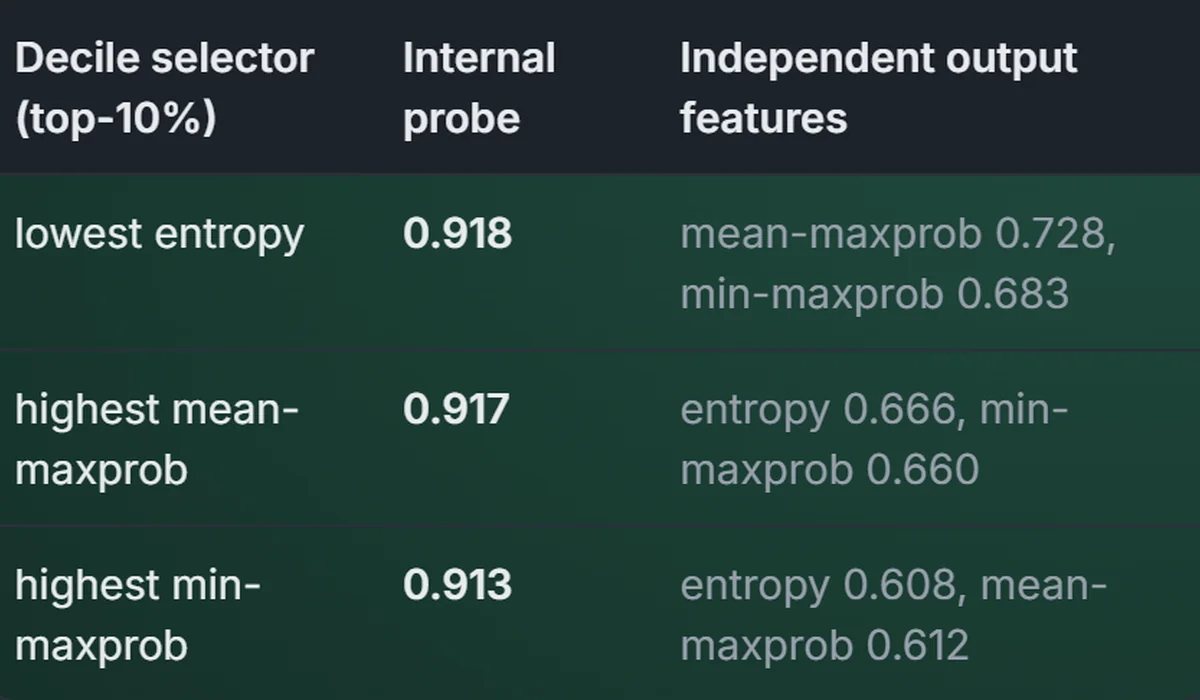
Confident Hallucination Detector

Can you catch a model that's confidently wrong? A detector built in a field I had no background in. I directed it, and an AI coding agent wrote and ran the code on a borrowed machine. It stopped in July 2026 when access to the machine ended; the final state is archived.

Read the case study →

The Statute Engine

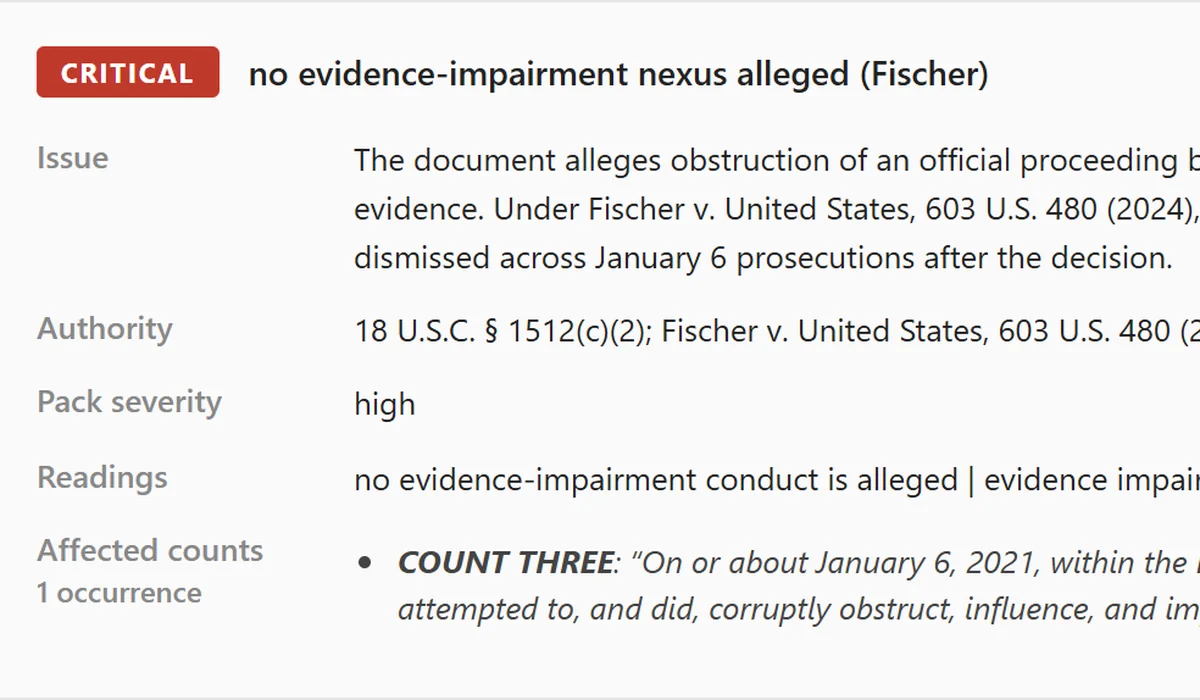
A deterministic review priority engine for charging documents. Findings, metrics, and priority are computed without a language model in the loop, and the benchmark stands at 25 for 25 against settled cases.

Read the case study →